Moon Probe
Put your science where the science is.
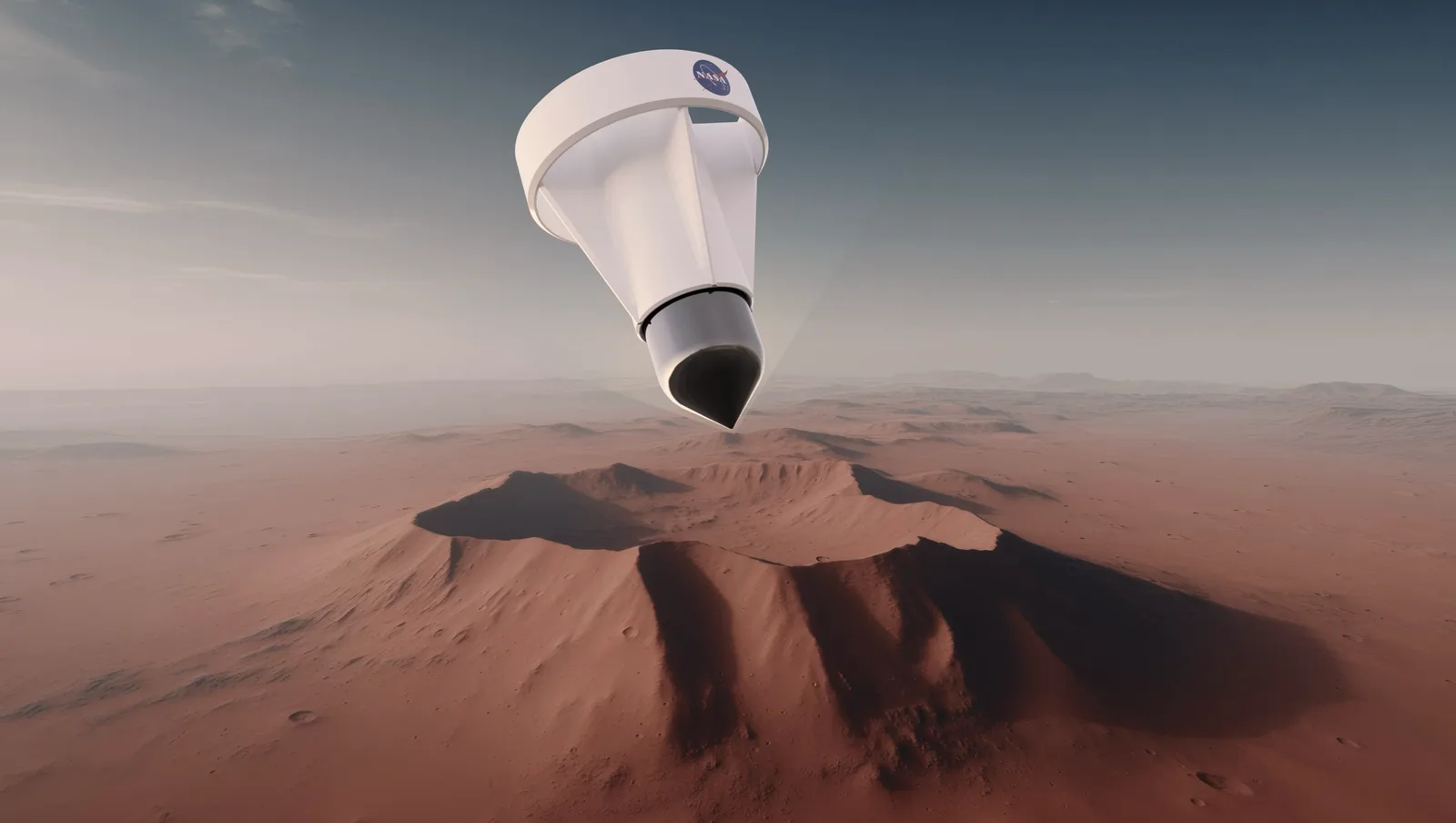
Moon Probe is a planetary geoscience platform and delivery service. It places scientific instruments on Mars and other worlds across the solar system, to survey their geology and look for signs of life beyond Earth.
On impact, the probe separates into two parts. A forebody carrying the payload goes into the ground, and a tethered aft body stays on the surface to provide communications.
Don’t just study the surface. Get inside it.
- Deliver
Carry many probes to a target region.
- Deploy
Release the probes across many sites.
- Penetrate
Place instruments beneath the surface on impact.
- Measure
Collect subsurface data at the source.
- Connect
Return the data through the surface node and Mission Control.
The surface only tells part of the story
For life detection, geology, and planetary history, the answers may lie beneath material exposed to radiation, ultraviolet light, and wind. Reaching them today takes a lander with a drill, for one site. An instrument with the funding to be built often has none to fly. Your instrument should go below the surface, at many sites, and send its data straight back to you.
- Reach
Put sensors and payloads in places people and conventional spacecraft cannot easily reach.
- Readings
Get subsurface data at many sites before a lander or a mission commits to one.
- Flight
Fly your instrument in a probe, without building a lander or a spacecraft around it.
Architecture: from payload to planetary surface
The probe
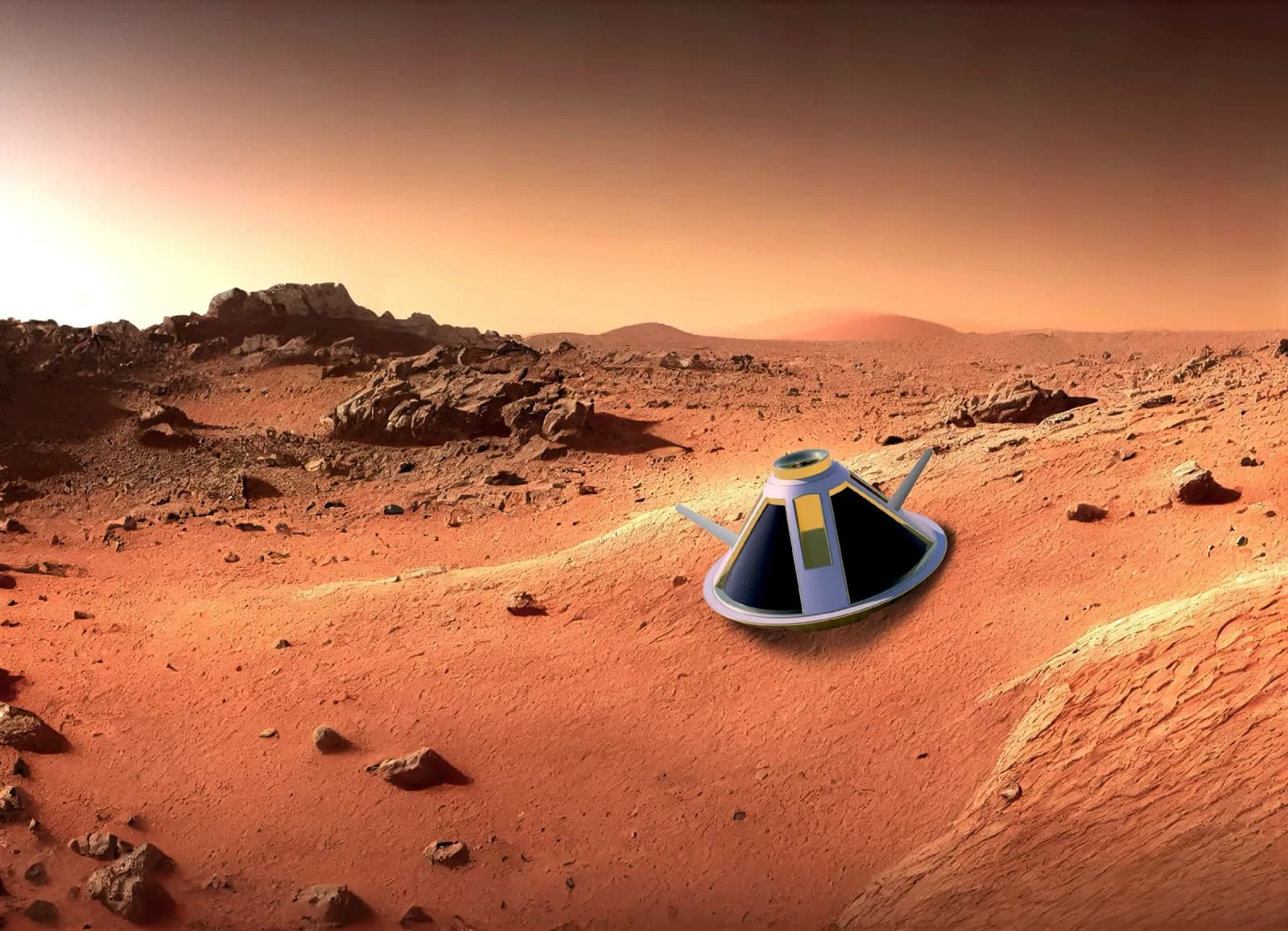
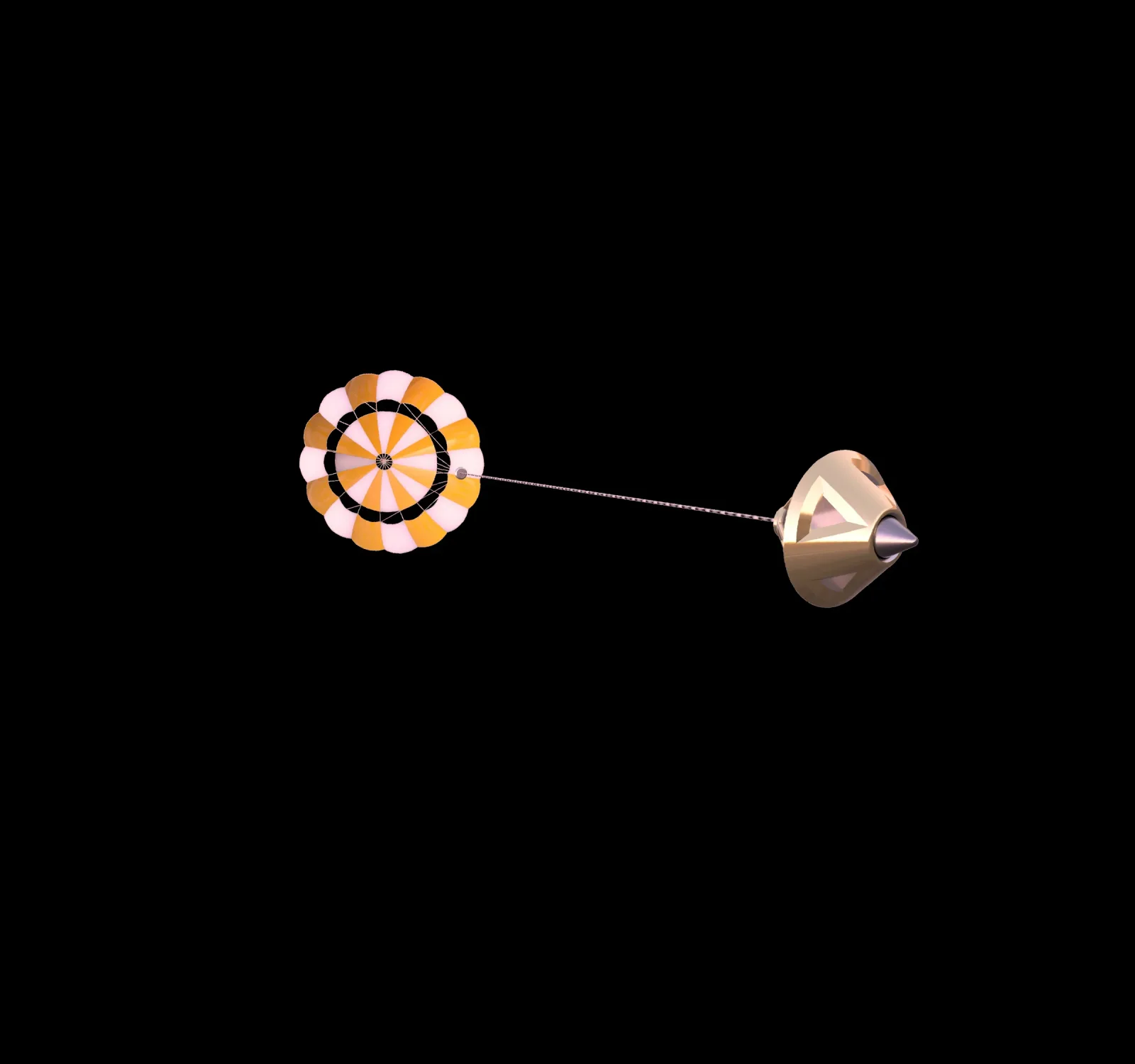
Two connected bodies. The forebody carries the electronics and the payload, and buries itself 0.2 to 2 m deep on impact. The aft body carries the antenna and the stabilizing fins, and stays on the surface on a tether. For Mars, the probe adds descent, power, and radiation protection.
Payload space
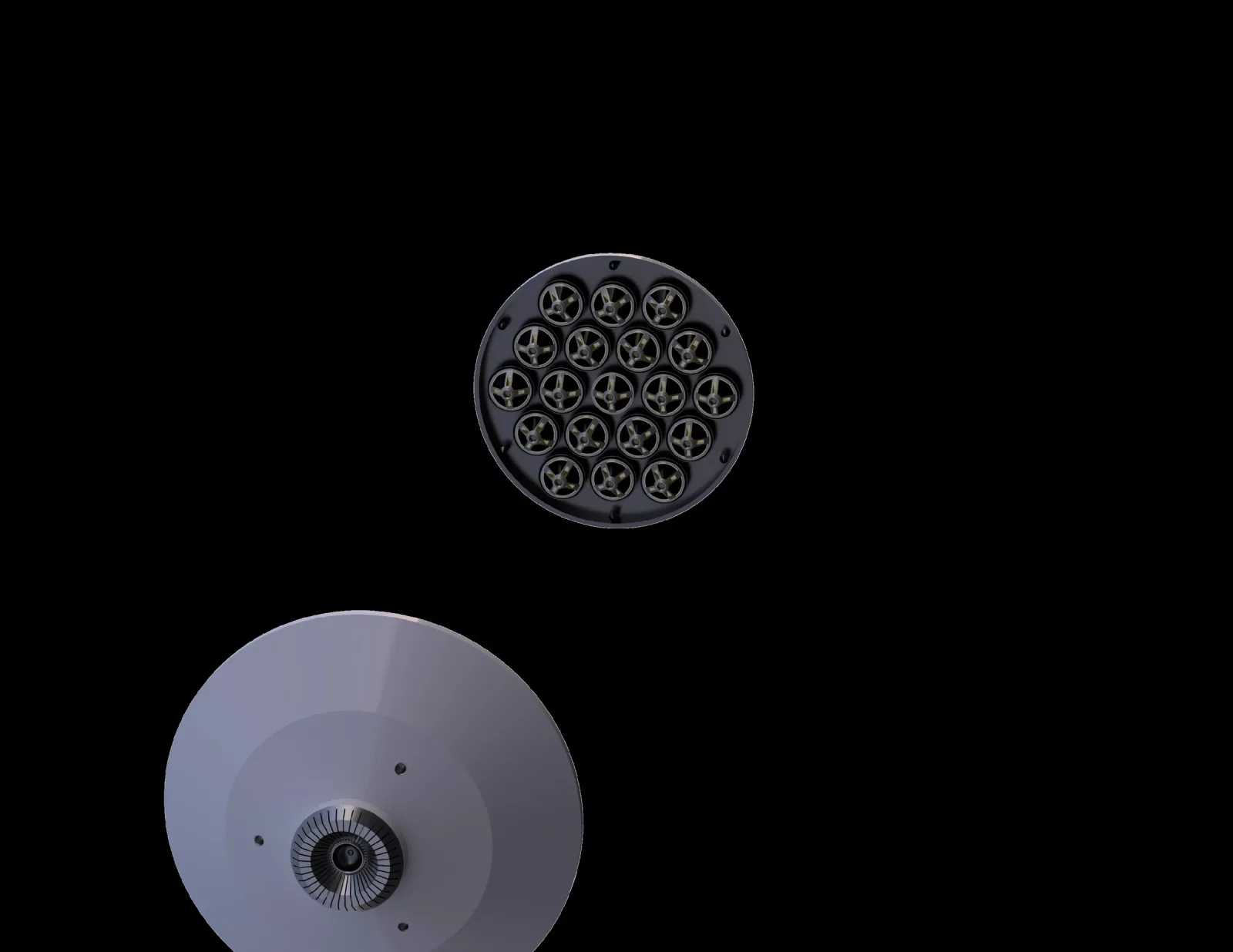
Your instrument rides inside the forebody, with the space, power, and data link it needs to run after impact. Our engineers help harden it and drop test it before integration. The payload stays underground, and its data is logged and returned by radio.
Moonbeam and Mission Control
The aft body is a communications node on the surface. Its radio works at 400 to 450 MHz. Moonbeam carries telemetry, tracking, and commands, and Moontower Mission Control shows every probe and receiver on one screen.
Proven
In test
- 10 of 200+
Moon Probe is one of 10 teams NASA TechLeap picked from more than 200 proposals
NASA TechLeap
- 0.6 m
Depth a probe reached in soil in drone-drop trials on Earth
- 150 g
Payload the Moon Probe penetrators deliver
NASA TechLeap
- 400 to 450 MHz
Probe radio working, with built ground units and a direction-finding receiver
Trusted
By our partners







Dig. Discover. Decide what comes next.
Specifications
| Figure | Value |
|---|---|
| Burial depth | 0.2 to 2 m |
| Payload space | Cylinder 30 to 60 mm across, 30 to 100 mm high, by variant |
| Payload mass | 150 g, up to 500 g in larger variants |
| Power to the payload | 1 to 5 W, by variant |
| Payload data link | CAN bus |
| Probe radio | 400 to 450 MHz, at least 1 kbps |
| Impact speed on Mars | 320 to 340 m/s |
| Standard suite | Seismic, soil and chemistry, temperature, pressure, imaging, and networking |
| Destinations | Mars first, then the Moon, asteroids, and remote sites on Earth |
Table 1. Moon Probe design figures, by variant.
Applications
Study more than one point on another world.
Place instruments across many sites to study geology, seismic activity, chemistry, and the environment.
Look where the surface can’t tell the whole story.
Place instruments beneath material exposed to ultraviolet radiation, for subsurface sampling and analysis.
Build the instrument, not the entire mission.
Fly a compact instrument without building a dedicated lander or spacecraft around it.
Go where sending a crew is hard.
An aircraft or a drone drops probes into volcanic regions and difficult survey terrain.
Put your payload below the surface
Have a place you can’t reach, a measurement you can’t make, or an instrument that needs a flight? Reserve a spot in line for payload space for a $100 refundable deposit. Pay by card. Stripe takes the deposit. We email a confirmation when the payment clears.