
Mobility: Moon Rover Concept
Static → moving
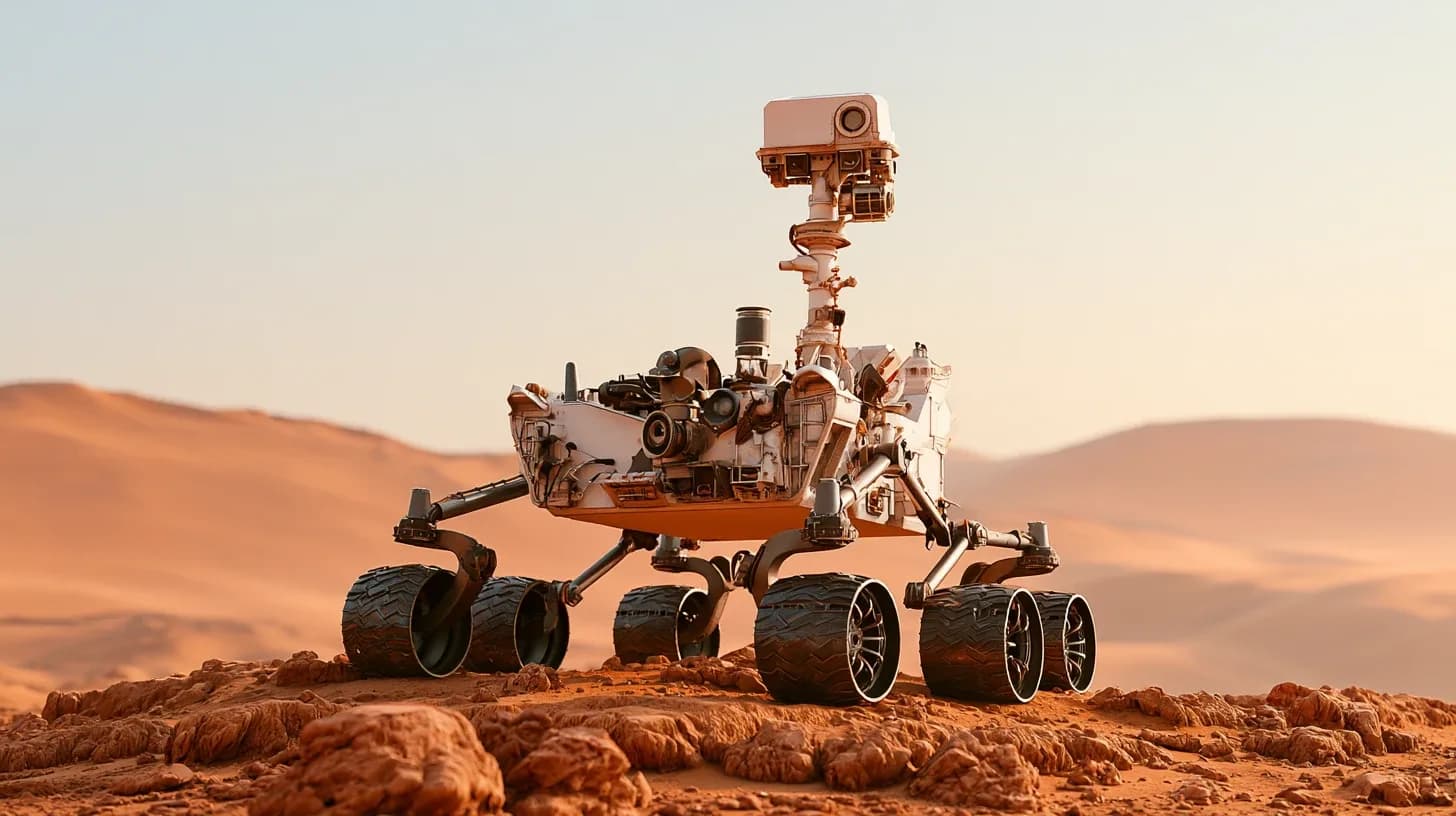
Moon Rover is a six-wheel rover with standard payload bays. You build your instrument to the bays once. The same bays will be on the kit in your lab, on our field rover on Earth, and on our rover on the Moon.
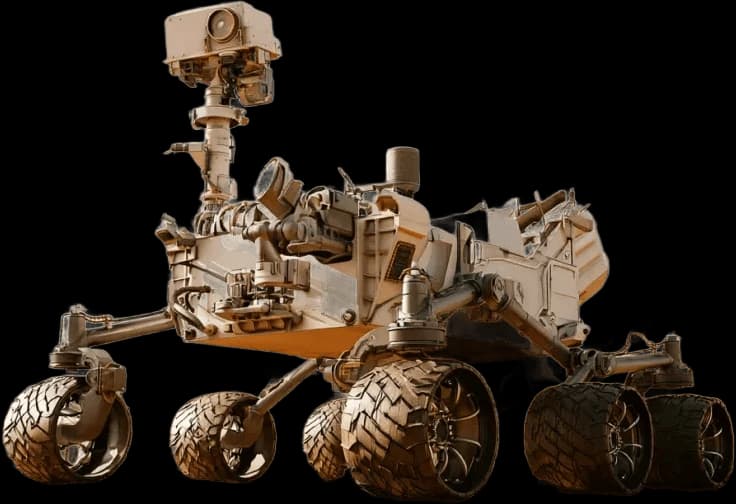
Zed saysYour hardware has somewhere to go.
Four steps to the Moon
A lunar company wants its own instruments on the Moon. This is its route today, and the route Moon Rover is designed to give it.
| Step | Today | With Moon Rover, planned |
|---|---|---|
| Build in the lab | Design a whole rover before you can test your instruments. | Buy a kit. Fit your instruments to the standard bays and fix faults at the bench. |
| Test in the field | No rover to book. Your engineers travel to their own field campaign. | Book a block on our field rover at a Mars-like site. Run your instruments from your own screens. |
| Test on the Moon | No rover on the Moon to test against. Software faults show up on your own mission. | Run your flight software on our rover on the Moon. We simulate your instrument outputs. |
| Fly your mission | A new rover has no flight record. You design to a lander interface before you book a lander. | Buy a flight-ready Moon Rover with the same bays and its own lander interface. |
Table 1. A lunar mission builder, today and with Moon Rover. Every part of the right column is a concept. Source: Moon Rover customer document, 28 September 2026.
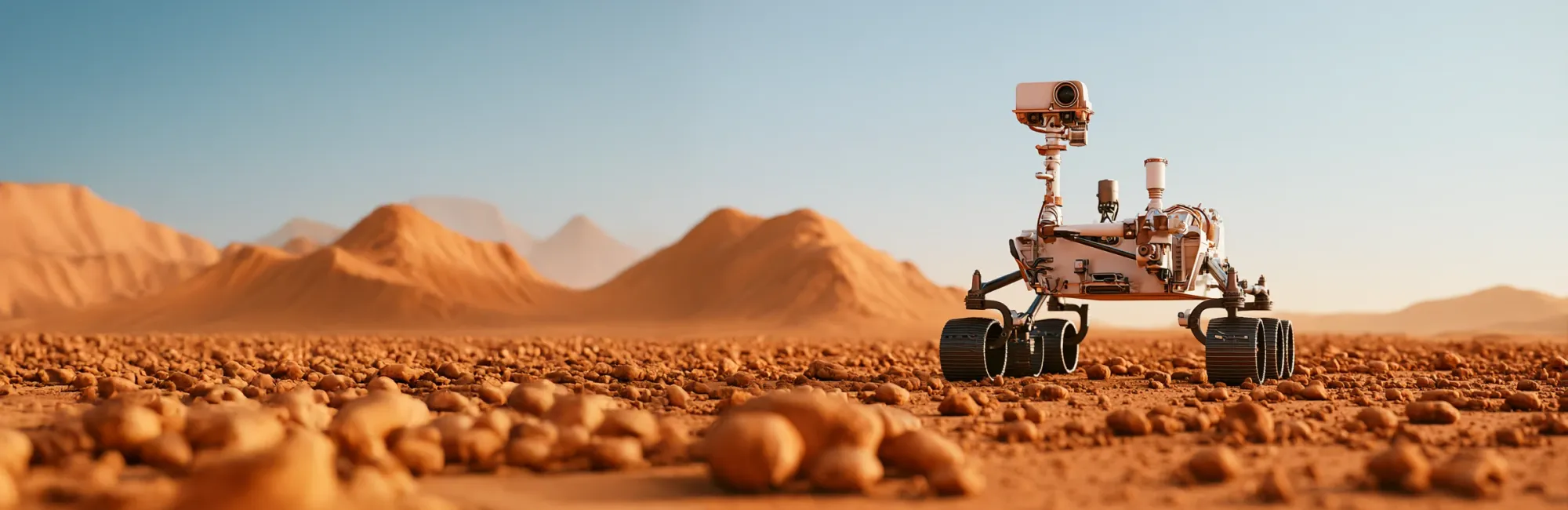
One rover, five jobs
Lunar mission builders
Test your instruments in the lab and the field before your own rover flies.
Navigation software companies
Drive a fenced course our team has surveyed, and take away each run's log against the true position of every marker.
University labs
Get field hours on a moving rover for your flight readiness review. Your staff stay at the lab.
Student teams
Build the kit over the academic year. Your experiment fits the field rover and the rovers on the Moon and Mars, so the work lasts past one season.
Anyone
Book an hour, drive the field rover on Mars-like ground, and have it plant a flag with your own picture or design.
Target figures

| Figure | Class A, field | Class B, education |
|---|---|---|
| Payload mass | 25 to 40 kg | 8 to 15 kg |
| Size | 1.50 x 1.20 x 1.30 m | 0.90 x 0.75 x 0.80 m |
| Run time per charge | 4 to 8 h | 3 to 6 h |
| Slope | 35 percent | 30 percent |
| Top speed | 2.0 m/s | 1.5 m/s |
Table 2. Moon Rover targets on Earth. Every figure is a design target. No rover is built. Source: Moon Rover product document, 28 September 2026.
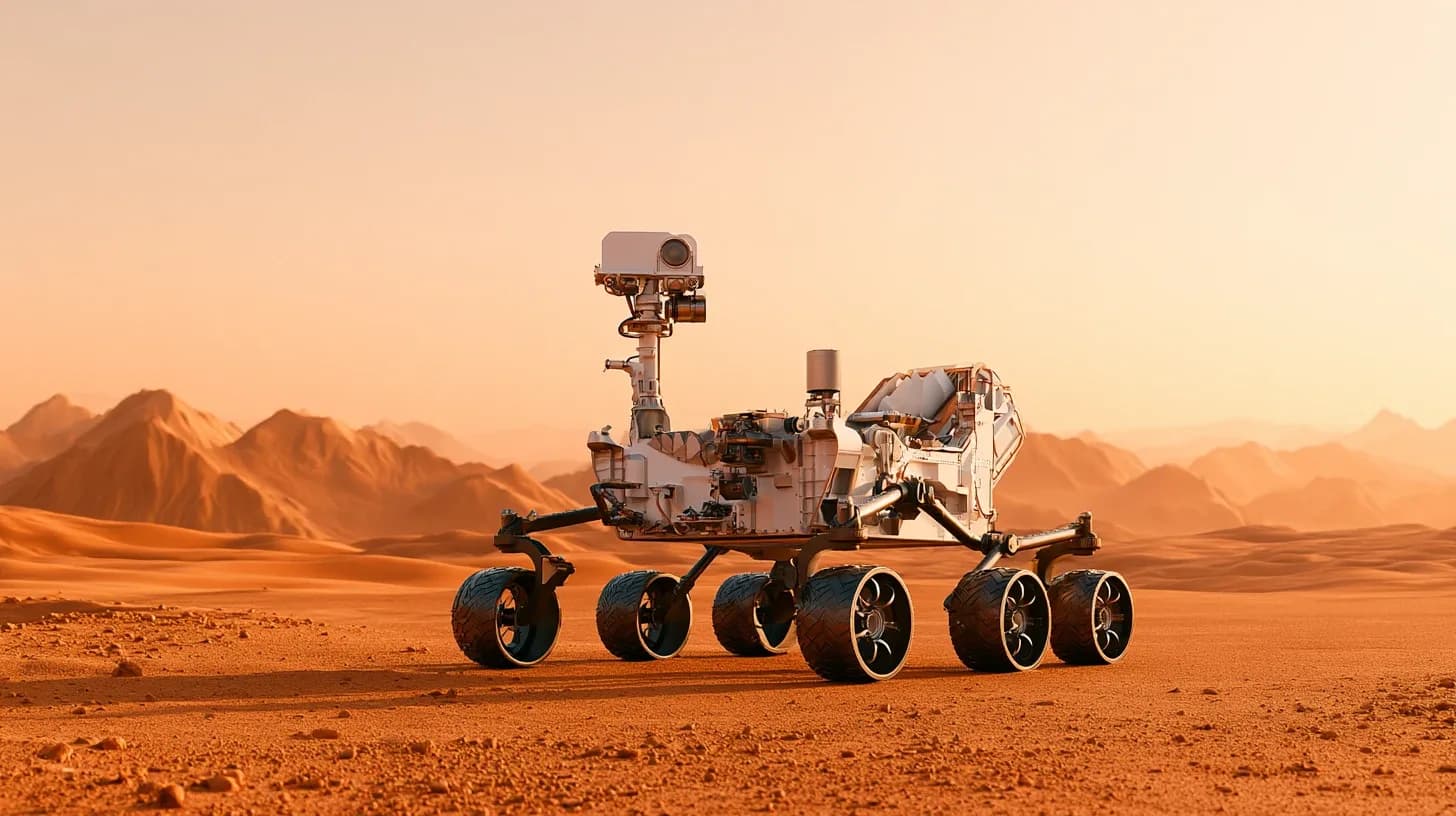
Payload bay: 12 V and 24 V power rails and 5 V USB. Gigabit Ethernet, USB 3, or CAN bus for data. Standard mounting rails. All targets.
The chassis is a rocker-bogie that keeps all six wheels on uneven ground. The mechanical baseline is the JPL Open Source Rover. You drive the rover, or run your instruments on it, through Moon Tower Mission Control.
What is decided
Not set yet: the field site, the bay size and count, the length of a booked block, the command limits, the lander interface, and the ride to the Moon. No date is set for any step. The Mars Society is a partner.
Reserve a kit or a field block
Tell us what you want to fly. We reply with the target figures for your payload and the status of each step.